
Redefining Villa Interiors with Innovative Architecture
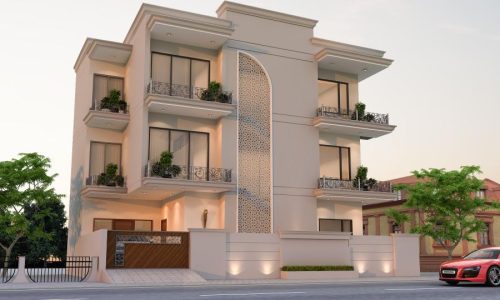
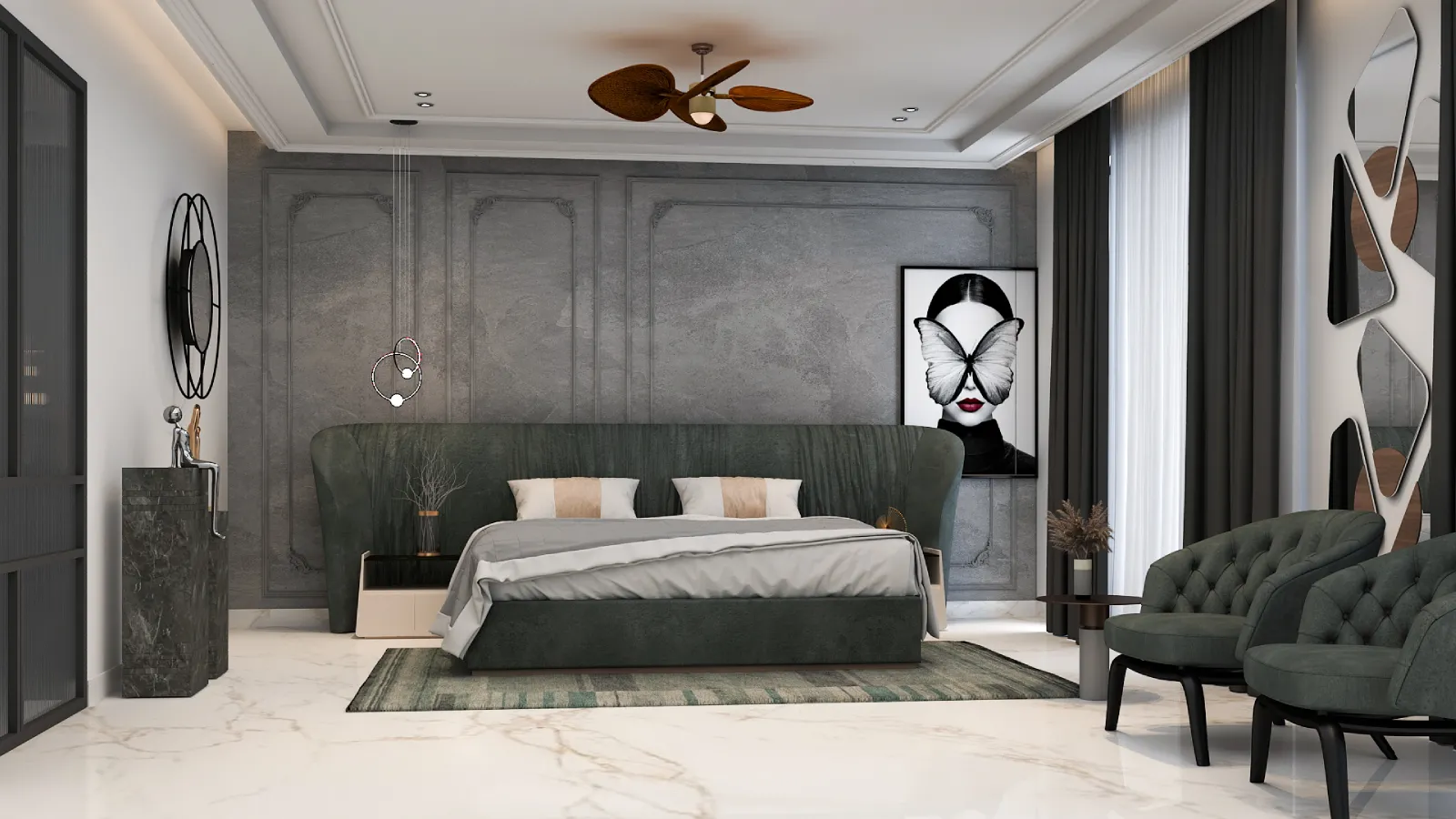
Traditionally, interiors of villas were about showcasing wealth and status through large, ornate detail, and strong European influence. Modern design focuses more on luxury and incorporates minimalism, smart technology, and the effective use of the available space. Modern innovative architecture focuses on harmony between the inner and outer environments. It ensures all available space is used rationally.
Contemporary villas have started to use open-plan layouts more frequently, and opt to use more fluid and open spaces, rather than using more walls. Doing this increases the amount of natural light coming into the space and also helps to improve the air circulation. In addition to these factors, this design strategy allows for more open space and helps the family members to remain more interconnected. There is a merging of the living room and the dining room, the kitchen becomes more of a social hub, and more purpose is created for the space.
Smart Technology and Living
When we think about modern designs for homes and villas, we think about smart technology. Smart technology includes automation that controls the lighting and temperature, the security systems, and the entertainment systems. Home management systems even allow the owner to control all of these from their phone, which makes the home even safer.
Home automation and smart technology even extend to lighting! Smart technology adjusts the temperature and the lighting, as well as the home automation system to complete the smart home. Biometric security systems allow complete control and flexibility of the security and supervision, while preserving the beauty of the home.
Merged Technological Solutions and Contemporary Design
The seamless integration of smart technology and contemporary architectural design means that functional elements do not compromise the overall aesthetic. The careful placement of concealed wiring, embedded speakers, and minimalist control interfaces all contribute to a clean and sophisticated design.
- Positive Impact of Sustainable Design
Sustainability as a positive, eco-friendly, and socially responsible design approach has become a central focus of contemporary architectural design for villas. Environmentally responsible design with the use of recycled and salvaged wood, as well as low-level with smart technology, has been a strong response from design innovators.
Windows that save energy, solar panels, and better insulation are ways to save money and make buildings more environmentally friendly. Adding water conserving devices, and rainwater collecting systems, are other ways to live more sustainably. Incorporating these methods shows that one can live in luxury and still take care of the environment.
New designs that incorporate living plants and green walls are currently being developed to improve the appearance of a room and help the room’s air quality. Living sustainably doesn’t only help the environment, it also makes a person’s health.
Customized living areas and Personalization
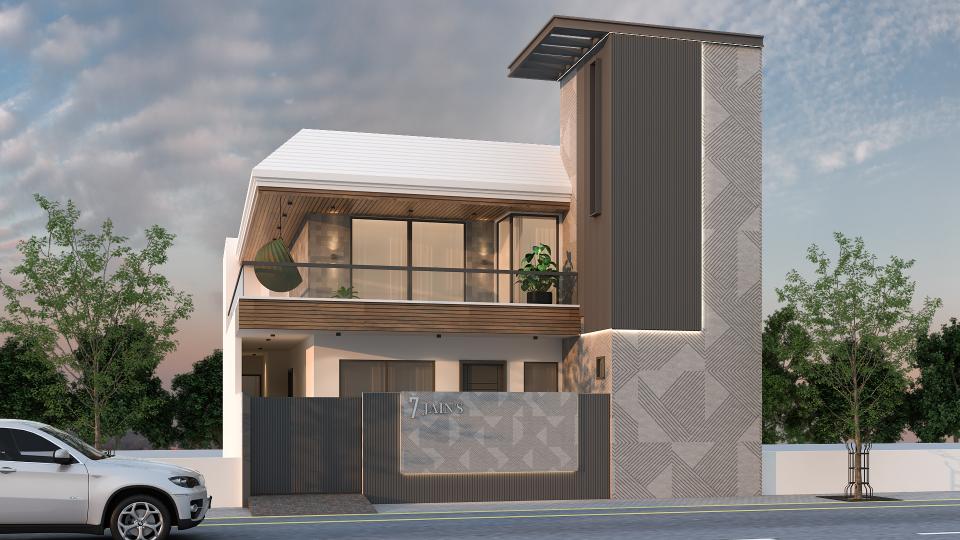
Modern designs of villas use a combination of personalization and function to create unique space. Design innovation means that each space can be used in a meaningful way.
On the other hand, different types of designs can help a space to change. Unused space can be sacrificed to create a more flexible room. For example, a studio that is designed to be a guest bedroom, can also be used as a study, or as a place to create.
To help a certain aesthetic, and to make a space more functional, hidden and integrated storage system can be used along the walls and in the cabinets. These systems are also used in modern designs to help a space be minimalist.
The future of Villa Interior Architecture
The future of villa Interior Architecture is the future of interior Design. Developed technologies and an increased awareness of the environment will continue to develop new architectural efforts. The new era of luxury will not bypass AI, sustainable construction, and new innovations in construction materials.
Integrability, adaptability, and personalized design will characterize future architectural works. The function of a villa will not be limited to living, it will also be an integrated ecosystem that will organize itself according to the behavioral patterns of the residents.